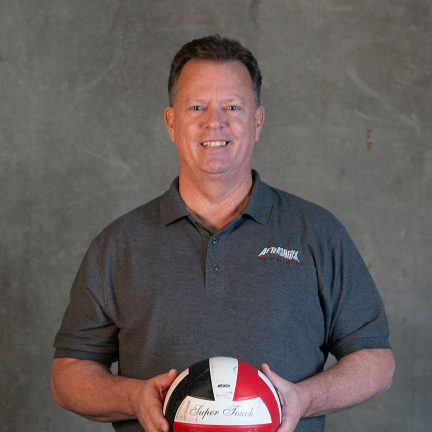
Rich Schwarz
Director of Player Development
Rich oversees player development and evaluations, tryouts, team formation, and practice schedules, and keeps players, coaches, and staff working as one.
Craig Hardisty has run the club since 2009. Tryouts, teams, fees, whether club is right for her. Write it here, and he typically responds within 24 hours.
Premier League teams typically play within 90 minutes of home, which keeps travel and cost down. Tournaments are organized by location, so competition levels vary and you’ll often play the same teams.
Power League teams travel further, with overnight stays for multi-day tournaments. They have more opportunities to advance between divisions and face increasingly competitive opponents.
Aftershock offers both options. See our Programs page for a detailed comparison of costs and commitments.
Fees vary by program for the current season:
Covers coaching, gym rentals, equipment, uniforms, tournament fees, and admin. Travel expenses (meals, hotels for multi-day tournaments) are separate. Payment plans are available for all programs. Full breakdown on Programs
Included: gym rental, coaching salaries, tournament entry fees, uniforms, equipment, and administrative costs.
Not included: NCVA/USAV membership ($18–$80 by age, paid directly to NCVA), travel, meals, and hotel for overnight tournaments.
School volleyball runs in the fall (typically August through October/November) for middle and high school teams. Tryouts are open only to students at that school. The season is short, the schedule is local, and there’s no cost beyond what the athletic department charges.
Club volleyball runs October through May, alongside or after the school season. Tryouts are open to anyone in the region. You don’t have to attend a specific school. Practices are twice a week, tournaments are weekends across Northern California, coaching is more intensive, and you pay a season fee.
Most committed players do both. Club is where the bulk of skill development happens; school is where she represents her campus. The two seasons don’t conflict.
Director of Player Development
Rich oversees player development and evaluations, tryouts, team formation, and practice schedules, and keeps players, coaches, and staff working as one.
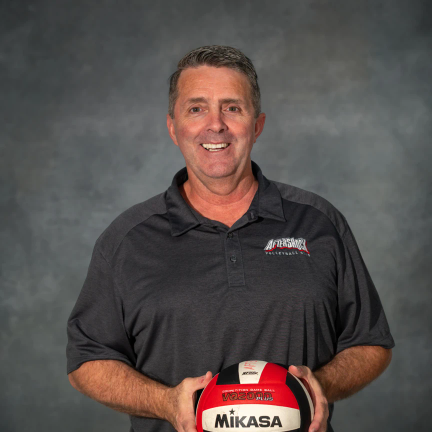
Director of Coaching Development
Jeff leads coach development, accreditation, and the training curriculum for each team level at Aftershock.
If you ever have a concern about misconduct, speak up. That covers sexual, physical and emotional misconduct, bullying and hazing.
Call Craig, Rich or Jeff.
The national authority on athlete safety. You can report anonymously.
Follow along
Photos and video from the season.